Genre as a Social Signal
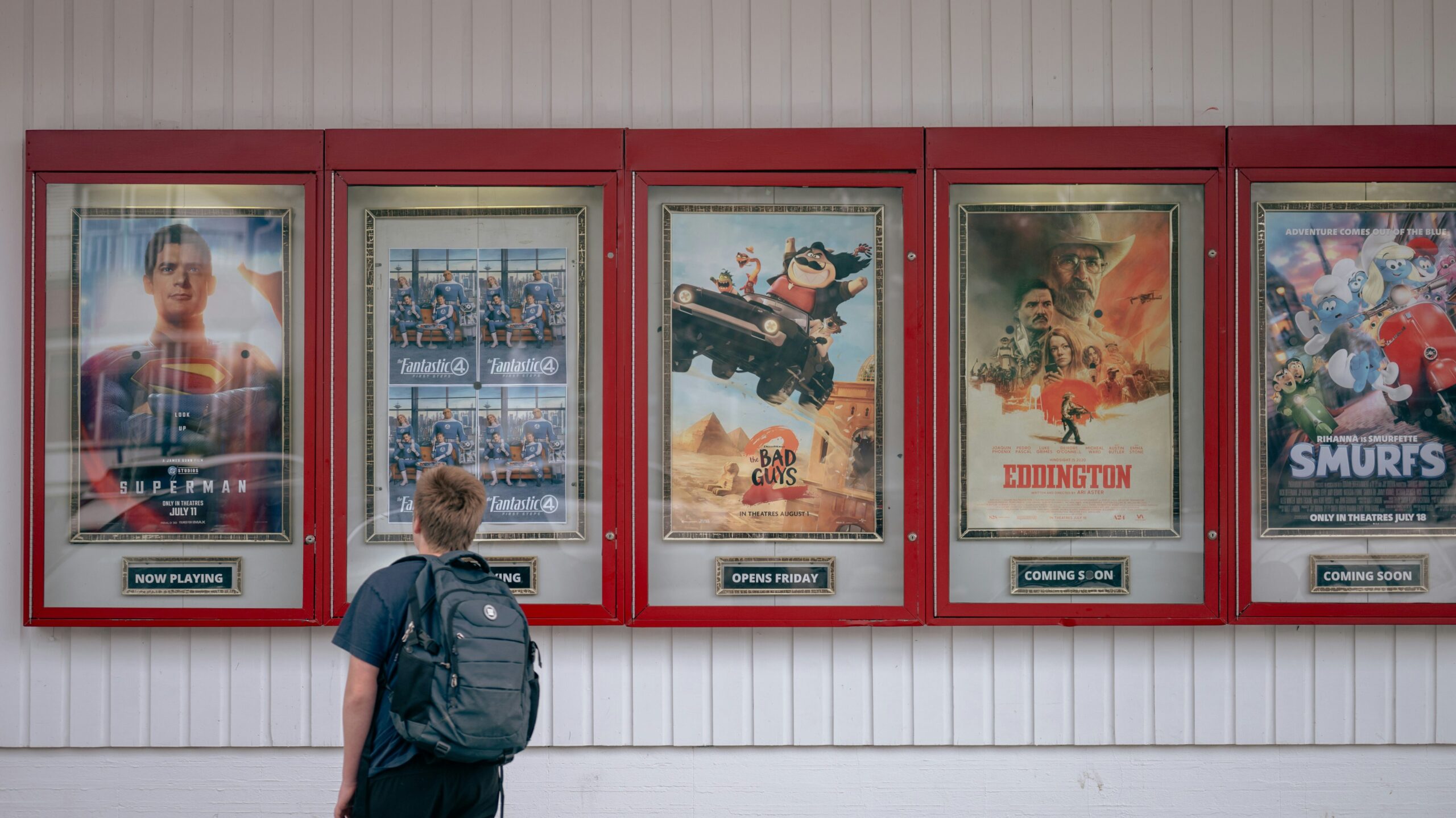
Across the literature, scholars treat film genres as a social signal rather than a fixed label. Several studies argue that genre preference and genre success are closely tied to cultural context. Viewers tend to understand and respond more strongly to films that align with their cultural familiarity, suggesting that the same genre can be interpreted differently depending on the audience’s location and the background knowledge they bring. Other research on genre evolution also shows that popularity shifts over time as societies change. Genres rise and fall alongside broader cultural trends, new technologies, and changes in daily life, so genre cycles are not random. Related work takes this further by showing how film meaning depends on reception. For example, adaptation studies emphasize that filmmakers and audiences do not interpret stories in a vacuum. Adaptations succeed or fail partly because they are received through local histories and cultural expectations, which supports the idea that genre patterns can vary across countries and regions(Scholz 657). Scholars who look at crisis-themed cinema make a similar point from another angle. They argue that when real-world events like financial crises happen, films often respond by turning complex systems into simpler stories, focusing on individuals and personal drama instead of structural causes (Kinkle and Toscano 39). This suggests that genre is not only entertainment but also a way societies process and reshape reality.
Platform, Audience, and the Limits of Taste
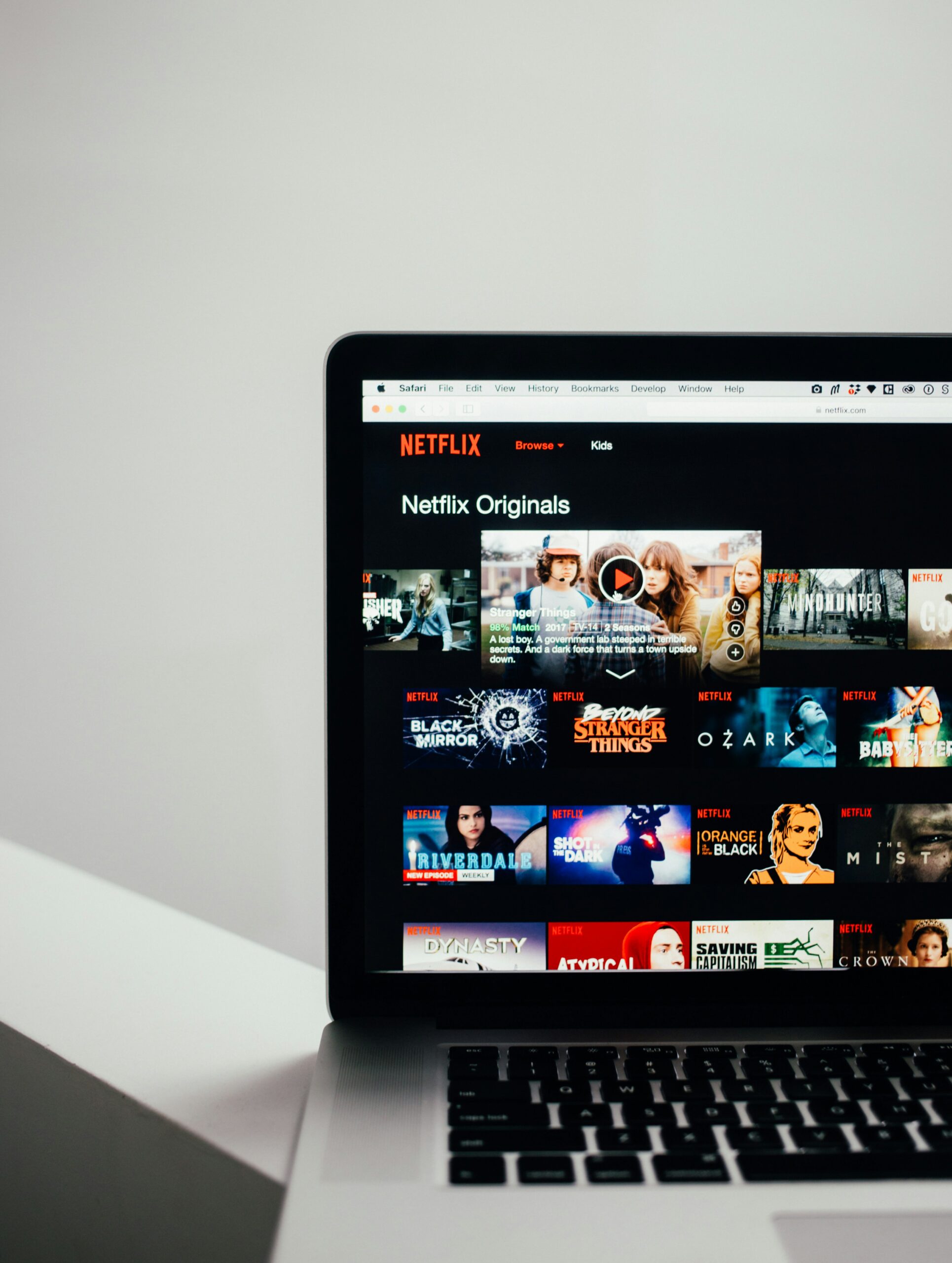
A second major theme in the literature is that audience response is shaped by platforms and media environments, not just by the films themselves. Studies on word of mouth show that audience talk changes across a release cycle, and that these shifts help explain revenue and performance. This supports the idea that ratings and popularity can reflect timing and attention rather than pure quality. Research on streaming culture adds another layer by arguing that access now feels easy but is often unstable. Titles move between services, disappear, or become harder to find, which changes how people watch and how they remember films. In that environment, platforms built around logging and reviewing can become part of how film culture is organized, since people use them to track what they have seen and what they value. At the same time, work on review forums shows that these spaces are not neutral. Review writing and visibility can be affected by gender and by ranking systems, meaning that what looks like a shared audience opinion may partly reflect whose voices are amplified. Finally, more applied research uses machine learning to predict genre preferences using demographic and behavioral features, which suggests that audience taste is patterned and measurable(Moon 109). However, this also raises a tension in the literature. Some scholars emphasize broad cultural and historical explanations, while others focus on individual-level predictors and platform-level mechanisms.
Taken together, scholars generally agree that genres and audience reactions connect to culture, time, and media systems, but there are still open questions that fit our project. A key gap is combining these ideas at a large scale with consistent metadata across many films. In our case, we are working with large public movie datasets that include genre tags and user-facing signals like ratings and popularity from TMDb, and audience logging and rating behavior from Letterboxd, which allows us to test whether long-term genre shifts align with social context while also considering platform effects that shape what gets seen and counted.
Research Goals
The goal of our project is to examine trends in genre preferences within the social and cultural context. The films, their ratings, and their box office mirrored the social dynamics that evoked us to ponder how the popularity of film genres has shifted over time and how these shifts correlate with major historical events. Can we empirically validate or even quantify the “cultural mirror” hypothesis regarding the film genre trends? Through analyzing TMDb data, we hope this study could shed light on the evolution of film genres, revealing that rather than an “arbitrary phenomenon,” the films and audience tastes reflected a response to society, considering different social structures, cultural backgrounds, risk evaluation, and providing a unique and data-driven lens to view the interaction of film and reality.